November 2, 2026
Understanding NFPA 96's Bare Metal Standard for Safer Commercial Kitchens
By @baremetalstandardspark
What the Bare Metal Standard Really Means for Your Kitchen
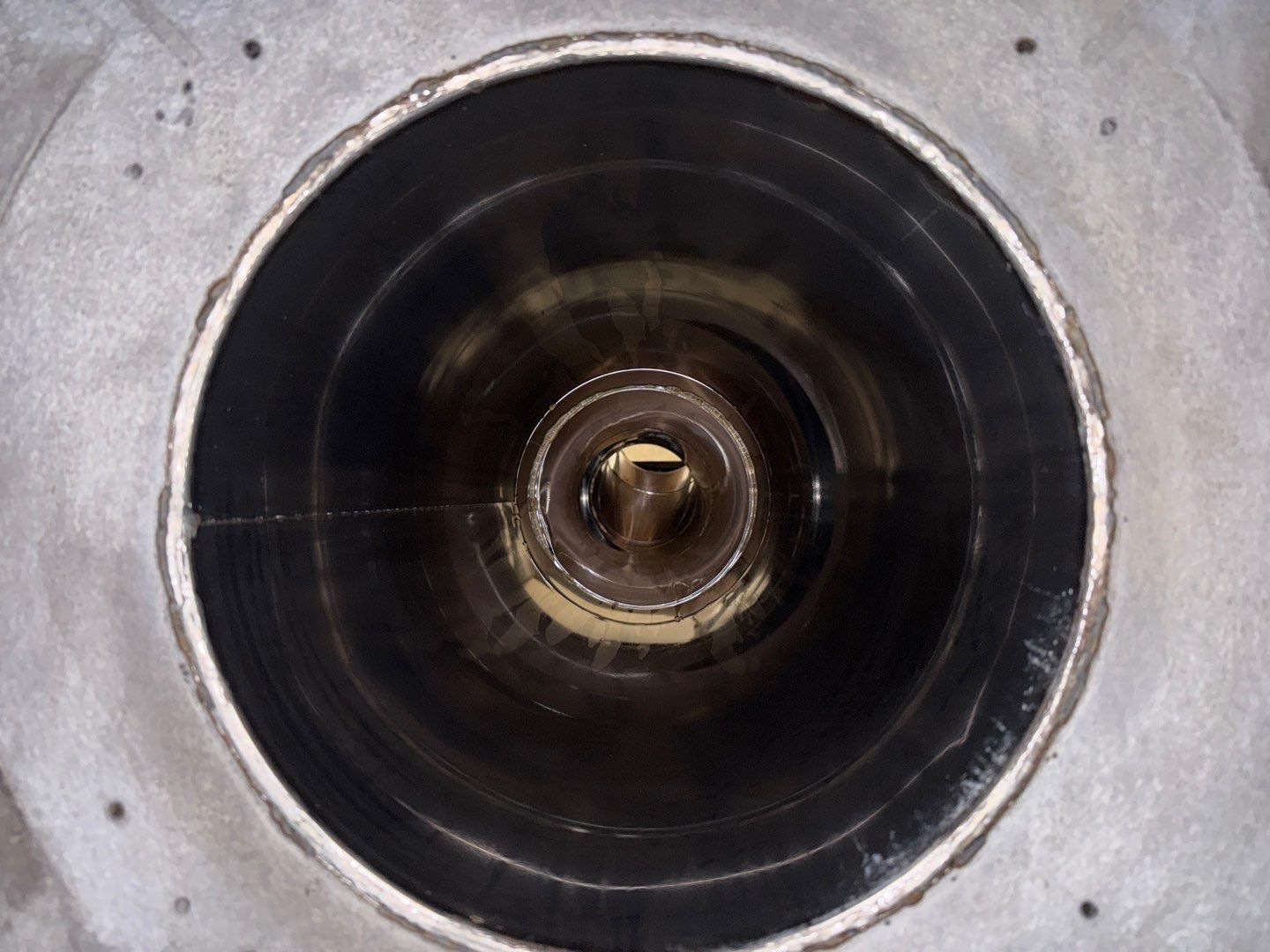
If you have spent any time around commercial kitchen exhaust systems, you have probably heard someone mention the "bare metal standard." It sounds official, almost like a marketing slogan, but it is a very specific benchmark that fire safety professionals and kitchen exhaust cleaning crews work toward every day. The idea is simple: after a proper cleaning, the interior surfaces of your hood, ductwork, and exhaust fan should be stripped of all visible grease and residue. No buildup, no coating, no film. Just clean metal underneath. That is the goal, and it is grounded in NFPA 96, the standard that governs fire safety in commercial cooking operations.
I have been in this industry for over a decade, and I can tell you that achieving that bare metal finish is harder than it sounds. It takes the right tools, the right chemicals, and a lot of elbow grease. But more importantly, it takes a commitment to regular, thorough cleaning. The difference between a kitchen that follows the bare metal standard and one that just does a quick wipe-down is often the difference between passing a fire marshal inspection and facing a shutdown order.
Why Grease Buildup Is More Than Just a Mess
Grease buildup in a commercial kitchen exhaust system is not just unsightly. It is a serious fire hazard. When grease accumulates inside the hood canopy, ductwork, or exhaust fan, it creates the perfect fuel for a fire. A single spark from a cooking surface can ignite that grease, and once a fire catches inside the exhaust system, it can spread through the entire building in minutes. That is why NFPA 96 exists. It sets the rules for hood cleaning, ventilation cleaning, and overall kitchen fire code compliance.
The bare metal standard is the benchmark that cleaning crews aim for because it leaves no fuel behind. When the interior surfaces of your exhaust system are bare metal, there is nothing for a fire to feed on. That is the whole point. It is not about aesthetics. It is about safety.
What the Standard Requires
Under NFPA 96, all commercial kitchen exhaust systems must be cleaned to a "visibly clean" condition. That means no visible grease, no residue, no buildup on any interior surface. The standard applies to the hood canopy, the grease filter, the ductwork, and the exhaust fan. It also applies to the hood suppression system, which is the fire extinguishing system mounted inside the hood. If any part of the exhaust system has grease on it, it fails the inspection.
The bare metal standard is not a loose guideline. It is a pass-or-fail condition. Fire marshals and insurance inspectors look for it. They will run a gloved finger along the inside of a duct or the edge of a grease filter. If the glove comes back with any grease, the system is not clean. That means the cleaning crew has to come back, and the kitchen cannot operate until it passes.
How Often Should You Clean?
The frequency of cleaning depends on the volume of cooking. A high-volume fast-food restaurant that runs fryers all day might need exhaust cleaning every three months. A lower-volume operation might get away with every six months. But the bare metal standard applies regardless of the schedule. The system must be clean at the time of cleaning, and it must stay reasonably clean between services. That is why many restaurants sign up for a recurring exhaust cleaning schedule. It keeps them compliant and reduces the risk of buildup that leads to fires.
I have seen kitchens that try to stretch their cleaning intervals too far. They think they can save money by skipping a service or two. But grease buildup does not wait. It accumulates fast, especially in systems that run heavy fryer loads or wok cooking. By the time the cleaning crew shows up, the grease is so thick that it takes twice as long to remove. And during that time, the kitchen has been operating with a fire hazard that could have been prevented.
The Role of Proper Cleaning Methods
Reaching the bare metal standard requires more than just spraying degreaser and wiping things down. It involves a systematic process. First, the technician removes the grease filters and soaks them in a hot chemical bath. Then they clean the interior of the hood canopy, scraping off heavy deposits and scrubbing the rest. Next comes the ductwork, which often requires accessing the system through access panels. The ductwork inspection is critical because that is where hidden grease buildup can occur. Finally, they clean the exhaust fan, including the blades and the housing. A dirty exhaust fan cannot move air efficiently, which leads to poor ventilation and more grease accumulation.
One of the most overlooked components is the hood suppression system. Under UL 300 standards, the suppression system must be inspected and maintained regularly. But even if the mechanical parts are fine, the system can be compromised if there is grease on the nozzles or the detection elements. A clean system ensures that the suppression system will work when it is needed.

Common Misunderstandings
Some restaurant owners think that as long as the visible parts of the hood look clean, they are fine. But the bare metal standard applies to every interior surface, even the parts you cannot see. The ductwork that runs through the ceiling, the elbow joints, the transitions between duct sections, all of it must be clean. I have been on jobs where the hood looked spotless, but once we opened up the ductwork, we found thick grease deposits that had been building for years. That is the kind of situation that leads to a fire marshal citation and a costly emergency cleaning.
Another misunderstanding is that the standard is too strict. Some people argue that a thin film of grease is harmless. But that is not how fire safety works. Grease is highly flammable, and even a thin layer can ignite if the temperature gets high enough. The NFPA 96 standard is based on decades of fire data. It is not arbitrary. It is designed to keep people safe.
Practical Steps for Restaurant Compliance
If you run a commercial kitchen, here are a few things you can do to stay on top of the bare metal standard:
- Hire a certified kitchen exhaust cleaning company that follows NFPA 96 guidelines. Do not rely on a general cleaning service that lacks the right equipment and training.
- Schedule your exhaust cleaning at intervals that match your cooking volume. A good rule of thumb is every three to six months, but check with your local fire code.
- Keep records of every cleaning. Fire marshals often ask for documentation, and a clean log shows you take compliance seriously.
- Inspect your system between cleanings. Look for signs of grease buildup around the grease filter, the hood canopy edges, and the exhaust fan. If you see buildup, call your cleaning crew sooner.
- Make sure your hood suppression system is inspected and tagged annually. This is a separate requirement under UL 300, but it ties directly into overall fire safety.
The Real Cost of Cutting Corners
I have seen kitchens that tried to save a few hundred dollars by skipping a cleaning. That decision cost them thousands when the fire marshal shut them down until the system was cleaned and reinspected. Lost revenue, reputation damage, and the stress of an unplanned closure are not worth the risk. The bare metal standard exists for a reason. It is the simplest and most effective way to prevent grease buildup from turning into a catastrophic fire.
Beyond compliance, there is a practical benefit to keeping your exhaust system clean. A clean system moves air more efficiently, which means your kitchen stays cooler and your HVAC system works less hard. It also reduces odors and improves the working environment for your staff. So the bare metal standard is not just about passing an inspection. It is about running a better, safer kitchen every day.

If you are not sure whether your current cleaning service is meeting the standard, ask for a post-cleaning inspection report. A good company will walk you through what they cleaned and show you the results. They should be able to demonstrate that every interior surface meets the bare metal standard. If they cannot, it is time to find a new provider.
Final Thoughts
The bare metal standard is the gold standard for commercial kitchen exhaust cleaning. It is not a suggestion. It is a requirement under NFPA 96, and it is enforced by fire marshals and insurance companies. Meeting it takes work, but the payoff is a safer kitchen, fewer fire risks, and peace of mind. If you are responsible for a commercial kitchen, make sure you understand what the standard requires and that your cleaning crew delivers it every time.
❧